

Walking the Path of Reflection and Learning
For us, Indigenous Relations is not just a moment of reflection, it is a journey. We take meaningful steps to listen, learn and act with purpose in partnership with Indigenous communities in Saskatchewan.
Our journey led us to participate in a traditional sweat lodge ceremony, a sacred space for healing, reflection and connection.
Inside the lodge, surrounded by the elements of earth, fire, water, and air, we listened as Elders shared teachings about our responsibilities to the land, to one another and to future generations.
This experience was more than spiritual. It became a guiding force, shaping the values that now underpin our Indigenous Relations path and our approach to sustainability guided by traditional knowledge.
Through this sacred ceremony, four guiding principles took shape. They inspire us to understand recycling not just as an operation, but as a way of life created through respect, reciprocity and relationship. We are also working to support Indigenous language revitalization by engaging with language keepers across Saskatchewan. Language carries culture, worldview and teachings, ensuring its survival means ensuring the continuation of Indigenous knowledge for future generations.
For us, Indigenous Relations is not just a moment of reflection, it is a journey. We take meaningful steps to listen, learn and act with purpose in partnership with Indigenous communities in Saskatchewan.
For us, Indigenous Relations is not just a moment of reflection, it is a journey. We take meaningful steps to listen, learn and act with purpose in partnership with Indigenous communities in Saskatchewan.
Learn more about our journey
Our journey led us to participate in a traditional sweat lodge ceremony, a sacred space for healing, reflection and connection.
Inside the lodge, surrounded by the elements of earth, fire, water, and air, we listened as Elders shared teachings about our responsibilities to the land, to one another and to future generations.
This experience was more than spiritual. It became a guiding force, shaping the values that now underpin our Indigenous Relations path and our approach to sustainability guided by traditional knowledge.
Through this sacred ceremony, four guiding principles took shape. They inspire us to understand recycling not just as an operation, but as a way of life created through respect, reciprocity and relationship. We are also working to support Indigenous language revitalization by engaging with language keepers across Saskatchewan. Language carries culture, worldview and teachings, ensuring its survival means ensuring the continuation of Indigenous knowledge for future generations.
For us, Indigenous Relations is not just a moment of reflection, it is a journey. We take meaningful steps to listen, learn and act with purpose in partnership with Indigenous communities in Saskatchewan.
Guiding Principles
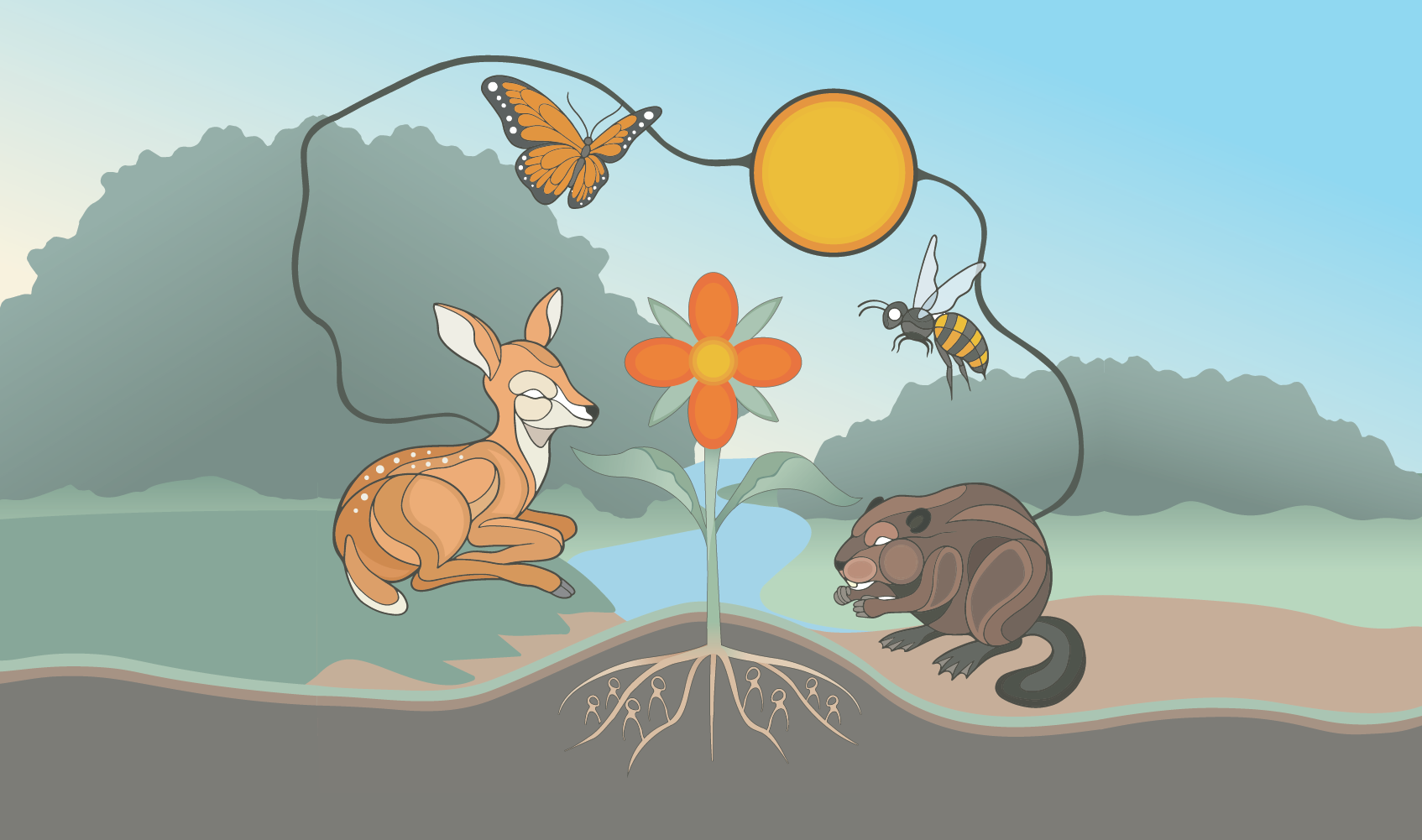
The Sacredness of Life - Monarch Butterfly
kâ-mahtâwahkpimâtisiwin-kihci -kamâmâkos
Ëch’ądıëdaghënaı́ boghëdı chú bëk’ësorëdlıhoɁą́ – Gulámalë
Helping One Another - Bee
wîcihitowin - âmow
Ëłts’ëdedı – Tłızıtthoghë
Kindness and Respect in Action - White-tailed Deer
Kisewâtisiwin ekwa manâcihitowin kahitôtamihk (miyo-wîcihitowin) -wepâyôs
Hëtıë haldhën chú Bëk’ësorëdlı Hok’ats’ëdé – Yahtuë Bëché Dëlgaı́
Kinship and Interconnectedness - Beaver
wahkohtowin ekwa wahkômitowin - amisk
Dąt’u nıh k’ë ëła daghënaı́ - Tsá
The Sacredness of Life (Monarch Butterfly)
kâ-mahtâwahkpimâtisiwin-kihci
(kamâmâkos)
Ëch’ądıëdaghënaı́ boghëdı chú bëk’ësorëdlıhoɁą́
(Gulámalë)
Helping One Another (Bee)
wîcihitowin (âmow)
Ëłts’ëded (Tłızıtthoghë)
Kindness and Respect in Action
(White-tailed Deer)
Kisewâtisiwin ekwa manâcihitowin kahitôtamihk
(wepâyôs)
Hëtıë haldhën chú Bëk’ësorëdlı Hok’ats’ëdé
(Yahtuë Bëché Dëlgaı́)
Kinship and Interconnectedness (Beaver)
wahkohtowin ekwa wahkômitowin (amisk)
Dąt’u nıh k’ë ëła daghënaı (Tsá)
About the Artist
Chris Chipak is a visual artist and illustrator. He is a member of the Red Pheasant Cree Nation and currently resides in Saskatoon, SK. Chris uses his art to promote cultural education and represent the Treaty 6 territory. His art directly reflects his desire to tell stories and promote connections to Indigenous culture. He is a graduate from the University of Saskatchewan with a Bachelor of Education degree and continues to embrace being a lifelong learner.
Explore the translations for these Guiding Principles in English, Nêhiyaw(Cree) and and Denesuline (Dene/Chipewyan). Translations coming soon for Nahkawininiwak (Saulteaux), Nakota (Assiniboine), Dakota and Lakota (Sioux), and Métis peoples.
The Sacredness of Life (Pimâtisiwin) – Monarch Butterfly
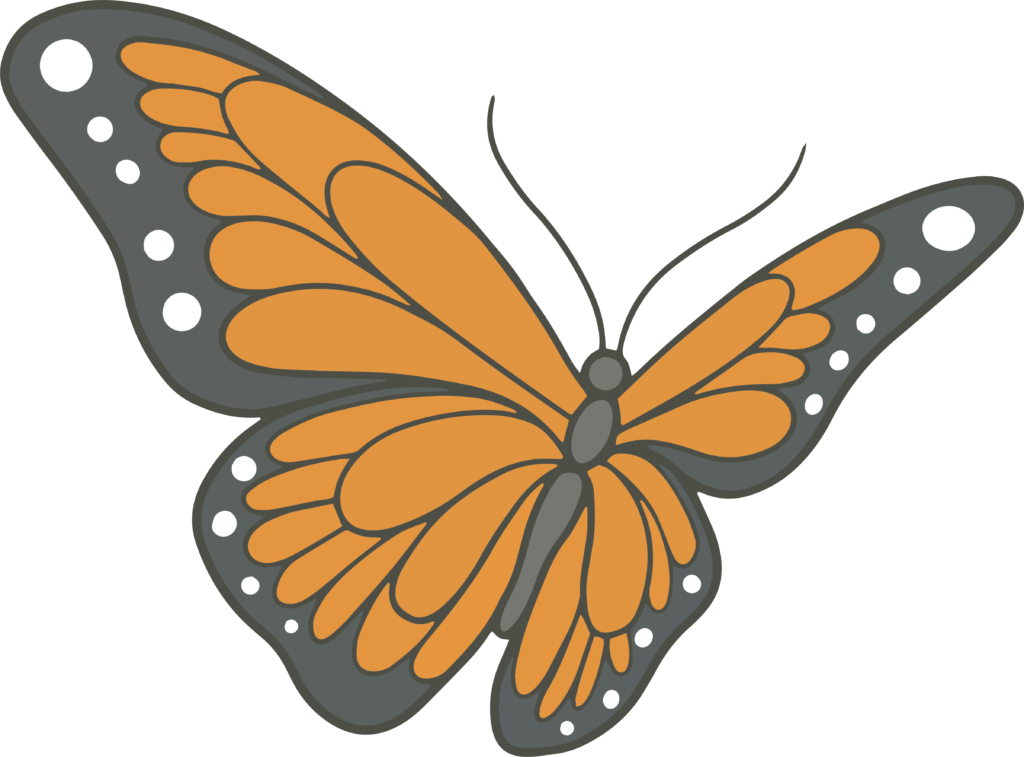
- The fluttering of wings represents joy and happiness.
- A delicate life cycle relying on clean air and land.
- Recycling keeps toxins out of the air and plastics out of the environment.
- A reminder that all life is sacred and even the smallest beings rely on us to care for the land.
Nehiyaw (Cree) Translation
kâ-mahtâwahk pimâtisiwin-kihci – kamâmâkos
- kâ-ipweyâcik mîkwanak itweyimakan wiyâtikeyimowin ekwa miywîhtamowin
- e-ahkewahk pimâtisiwin wâsikâpayak eta e-mamisîtotamihk ka-kanâtahk yôtin ekwa askiy.
- kâwi-ahâpacihtâhk kîkwaya wîcihihtâsiwimakan ka-kiponamihk pihcipowina yôtinihk ekwa askîhk.
- ka-iskisimikoyahk kahkiyaw pimâtisiwin e-mahtâwahk ekwa kâ-mâci apisîsicik kikwaya e-mamisîtotâkoyahkok ka-nâkateyihtamahk askiy.
Denesuline (Dene/Chipewyan)
Ëch’ądıë daghënaı́ boghëdı chú bëk’ësorëdlı hoɁą́ – Gulámalë
- Gulámalë ghët’ël bët’a honëlyą́.
- Nıh chú bët’a ts’ëjı nëzų́ dé ëch’ądıë hëtıë daghëna há.
- Asıë ąldel hılú bët’ënorëɁa dé bët’a hojërë hılë, bıt’ası ts’ëjı ësǫt’ılë walı́.
- Hëtıë bëdanáwułnı́ tarëlyų ëch’ądıë bëk’ësorëdlı hoɁą́, nëchılë dëkolú, ëyı hëł nuhnı̨ dënë nıh bëdoılnı dezą.
Helping One Another (Wîcihitowin) – Bee
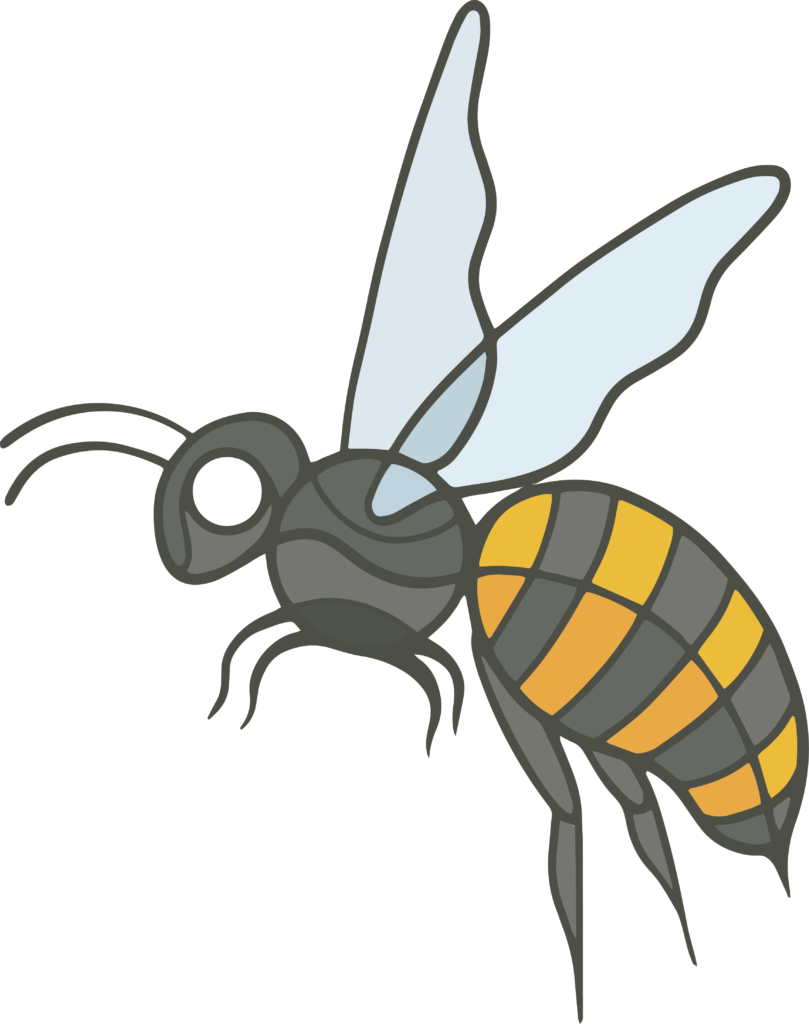
- Bees pollinate plants and support the circle of life.
- Recycling reduces pollution, allowing flowers to flourish and sustain bee habitats.
- Bees teach us the importance of working together; the earth is our hive, and we must protect our home.
Nehiyaw (Cree) Translation
wîcihitowin – âmow
- âmowak pimâcihtâwak
wâpikwaniya ekwa sihtoskamwak kâ-âsikâpayak pimâtisiwin. - kâwi-ahâpacihtâhk kîkwaya nîkipicikeyimakan pihcipiwin, eta wâpikwaniya kahohpikihki ekwa âmowak ekotawihk askiya ka-wîkicik
- âmowak kikiskinwahamâkonawak eyikohk e-misteyihtâkwahk wîci-atoskeyimitowin; kikâwiynaw askiy kiwacistaninaw, ekwa piko ka-kanaweyihtamahk kimîkiwâminaw.
Denesuline (Dene/Chipewyan)
Ëłts’ëdedı – Tłızıtthoghë
- Tł’ızıtthoghë bët’a nónıshe danıye ëłų nënëlyé há.
- Asıë bët’ënorëɁası bët’a hojërë k’arëɁų́ há, ëyır dé t’ąchaghë hëtıë ghëna ëyı chú bët’a tł’ızıtthoghë dałélná.
- Tł’ızıtthoghë bëgharı ëła ëghëdalada há bënırë́dı́; nıh nëdhë nuhëkoę̈, ëyıɁá bëdolnı dezą́.
Kindness and Respect in Action (Miyo-wîcihtowin) – White-tailed Deer
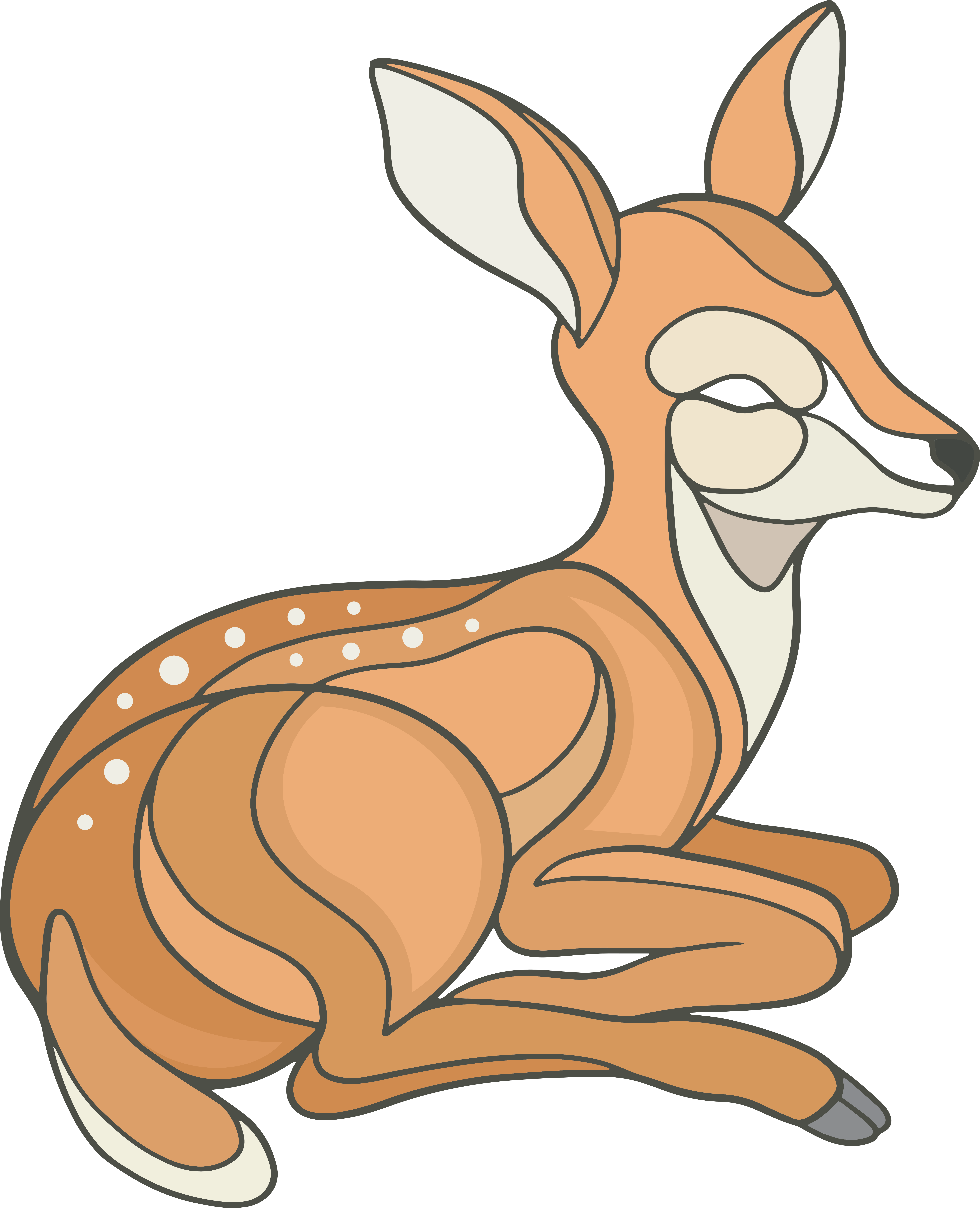
- Deer depend on clean forests and safe food sources.
- Recycling reduces the need for extraction from forests and grasslands, allowing deer to live peacefully.
- Respecting habitats is an act of kindness to the earth and future generations.
Nehiyaw (Cree) Translation
Kisewâtisiwin ekwa manâcihitowin kahitôtamihk (miyo-wîcihitowin) – wepâyôs
- apisimôsisak mamisîtotamwak ka-kanâtahki sakâwa ekwa kanaweyihtâkwahki nanâtohk mîciwina.
- kâwi-ahâpacihtâhk kîkwaya nîkipicikeyimakan kâ-nitaweyihtamihk ka-wâtihkehk ohci sakâhk ekwa paskwâwihk, eta apisimôsisak peyahtik ka-pimâtisicik.
- ka-anâcihtâhk askiya anima e-kisewâtamihk askiy ekwa mîna ôtî nîkânihk otâniskotâpanak.
Denesuline (Dene/Chipewyan)
Hëtıë haldhën chú Bëk’ësorëdlı Hok’ats’ëdé – Yahtuë Bëché Dëlgaı́
- Dëchën yaghë hojërë hılë dé, bër łą hųlı̨ dé yahtuë yët’a ghëna há.
- Asıë ąldel hılú bët’ënorëɁa, dëchë yaghë asıë łą naltsı̨ k’arëɁų há, bët’a yahtuë k’ëdhënı ghëna há.
- Ëch’ądıë chú dëchën yaghë bëk’ësorëdlı dé, nëzų hąt’ë hanëdho há bët’orëdhı.
Kinship and Interconnectedness (Wahkôtowin) – Beaver

- The beaver shapes the wetlands where we reside, bringing us together.
- Hard worker and strong companionship.
- Healthier water for them allows healthier ecosystems for us.
- Recycling reduces pollution in lakes and rivers, protecting their homes.
Nehiyaw (Cree) Translation
wahkohtowin ekwa wahkômitowin – amisk
- kâwi-ahâpacihtâhk kîkwaya nîkipicikeyimakan pihcipiwin sâkahikanihk ekwa sîpiya, eta kanaweyihtamihk owîkiwâmiwâwa.
- sohkastoskew ekwa sohki-wîcîwâkanihtowin
- ka-iywâsik nipiy ohci wiyâwâw ka-miywâsinwa askiya ohci kiyânaw.
Denesuline (Dene/Chipewyan)
Dąt’u nıh k’ë ëła daghënaı́ – Tsá
- Nıh hots’ëlı k’ëyaghë tsá tu darę̈le hëł, bët’a ëch’ądıë hú, ąchaghı hëł ëła daghëna
- Hëtıë ëdelna chú nats’ır.
- Ëch’ądıë t’ahuk’ë tu dëlk’ël dé hëtıë yët’a daghënası̨, dënë tth’ı nıh bët’a daghëna há nëzų.
- Asıë ąldel hılú bët’ënorëɁa dé bët’a tú chú des hëtıë walı́, ëyı hëł nıh k’ë nadésı tthá nëłą há.
Honouring the past and reflecting on the present, we plant the seeds of a future built on kinship, sacredness, respect and shared responsibility. We are proud to support the following organizations in their work to revitalize our connection to land, stewardship and culture.
Meewasin Valley Authority Tree Sponsorship Program in honour of Indigenous Peoples Day
kâmwâtanahk Land-based Learning Lab in honour of National Day for Truth and Reconciliation
Like a seed placed gently in Mother Earth, reconciliation requires care, patience, and collective effort to grow into something lasting and life-giving. Together, we nurture this growth, listening, learning, and acting with purpose.